Mold Remediation for Rental Properties in Maple Shade: Landlord Costs Explained
Mold in rental properties isn’t just a tenant nuisance—it’s a landlord liability. In Maple Shade’s humid summers and wet springs, undetected moisture can spiral into costly remediation if left unchecked. We break down what drives costs, your legal duties as a property owner, and how proactive steps save money long-term.
Why Rental Properties in Maple Shade Are Prone to Mold Growth
Maple Shade’s climate—warm, humid summers and frequent rainfall—creates ideal conditions for mold spores to colonize. Poor ventilation in older homes, common in neighborhoods like Main Street or Coles Avenue, exacerbates the issue.
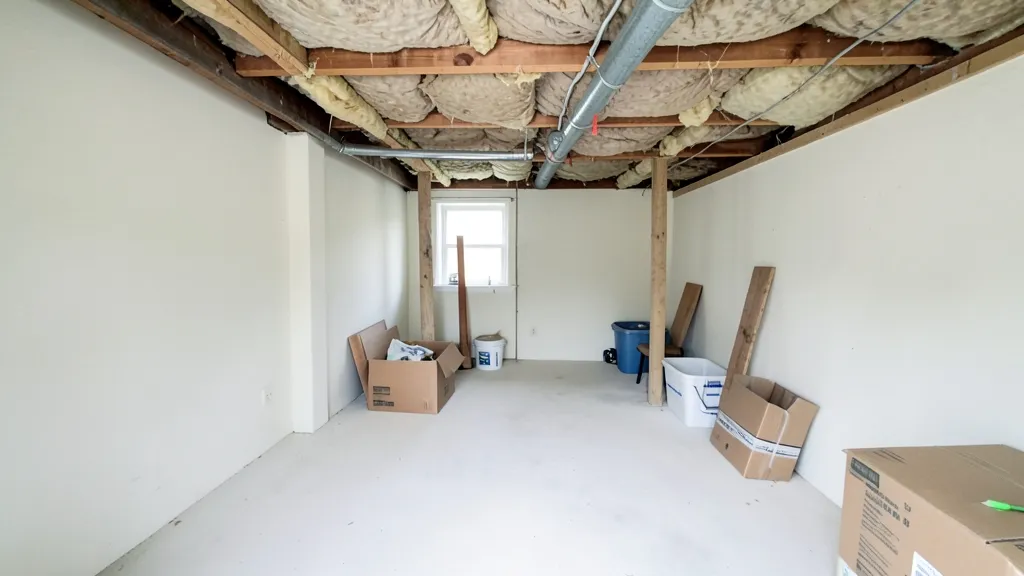
Tenants may overlook early signs like musty odors or small water stains, allowing hidden mold to spread behind drywall or under flooring. Basements and crawl spaces, especially in properties near the Rancocas Creek, are high-risk zones.
Landlord vs. Tenant: Who’s Responsible for Mold in NJ?
New Jersey law doesn’t explicitly assign mold responsibility, but landlords are generally obligated to provide habitable housing. This means addressing water leaks, poor ventilation, or existing mold before a tenant moves in.
Tenants may be liable if their actions—like failing to report leaks or improperly using exhaust fans—cause or worsen mold. However, proving negligence can be tricky, so documentation is key.
Without clear NJ statutes on mold, disputes often hinge on lease terms and evidence of maintenance. Always include mold clauses in rental agreements.
Key Factors That Influence Mold Remediation Costs
The scope of infestation is the biggest cost driver. Surface mold on non-porous materials (like tile) is cheaper to remediate than mold embedded in drywall or insulation, which requires removal and replacement.
Accessibility matters. Attic or crawl space mold in Maple Shade homes often demands additional labor for containment and safety gear. Properties with finished basements may need more extensive demolition and reconstruction.
The type of mold also plays a role. While most molds are treated similarly, toxic varieties like Stachybotrys (black mold) may require specialized protocols, increasing costs.
| Factor | Impact on Cost | Example |
|---|---|---|
| Scope of Infestation | High | Whole-basement contamination vs. small bathroom patch |
| Material Type | Medium | Porous (drywall) vs. non-porous (glass) surfaces |
| Location | High | Crawl space or attic vs. easily accessible wall |
| Mold Type | Medium | Toxic black mold vs. common household mold |
| Preventive Measures | Low | Dehumidifiers or encapsulation post-remediation |
The Mold Remediation Process: What Landlords Should Expect
Proper remediation starts with a thorough inspection and mold testing to identify the species and extent. Air quality testing ensures spores aren’t airborne, which is critical in multi-unit buildings.
Containment is next. We use physical barriers and negative air pressure to prevent spores from spreading to clean areas during removal. HEPA air scrubbers run continuously to capture airborne particles.
Porous materials like drywall or carpet are typically removed and replaced, while non-porous surfaces are cleaned with antimicrobial solutions. Final clearance testing confirms the area is safe for reoccupancy.
How to Minimize Costs (and Headaches) as a Landlord
Regular property inspections—especially after tenant turnovers—catch moisture issues early. Focus on high-risk areas: basements, bathrooms, and kitchens. In Maple Shade, properties near Moorestown or Cinnaminson may need extra attention due to similar climate risks.
Invest in moisture control. Dehumidifiers in basements, proper grading around the foundation, and gutter maintenance prevent water intrusion. Encapsulating crawl spaces adds a long-term barrier against humidity.
Educate tenants. Provide guidelines on ventilation, reporting leaks promptly, and using exhaust fans. A small upfront effort can prevent a five-figure remediation bill later.
Landlord Mold Prevention Checklist
- Schedule annual mold inspections for rental properties
- Install dehumidifiers in basements and crawl spaces
- Ensure proper grading and gutter systems to divert water
- Use mold-resistant drywall in high-moisture areas
- Include mold reporting clauses in lease agreements
- Respond to tenant moisture complaints within 24-48 hours
When to Call a Professional vs. DIY Fixes
DIY mold removal is only advisable for very small, surface-level mold (under 10 square feet) on non-porous materials. Even then, improper cleaning can disperse spores, worsening the problem.
For anything larger, or if mold returns after cleaning, professional remediation is non-negotiable. In rental properties, cutting corners risks tenant health, legal liability, and long-term property damage.
The EPA recommends professional remediation for mold covering more than 10 square feet. Always follow their guidelines for safety and effectiveness.
Long-Term Savings: Remediation vs. Prevention
While remediation addresses existing mold, prevention saves money over time. For example, encapsulating a crawl space in a Maple Shade rental might cost upfront but eliminates recurring mold issues in a damp climate.
Consider bundling services. If you’re already addressing water damage in Cherry Hill or Mount Laurel properties, adding mold prevention measures (like moisture barriers) can be more cost-effective than separate projects.
How to Document Mold Issues for Tenant Disputes
Protect yourself by creating a paper trail for any mold-related concerns in your rental property.
- 1Conduct a Move-In Inspection
Document the property’s condition with photos and a checklist before the tenant moves in. Note any existing mold or moisture issues.
- 2Require Tenant Reporting
Include a clause in the lease requiring tenants to report leaks or mold within 24 hours. Provide a simple form for submissions.
- 3Respond in Writing
Acknowledge tenant reports via email or letter, outlining your plan to address the issue. This creates a timestamped record.
- 4Hire a Professional Inspector
If mold is suspected, bring in a mold inspector to assess and document the extent. Their report carries weight in disputes.
- 5Save All Receipts and Reports
Keep copies of inspection reports, remediation invoices, and communication with tenants and contractors.
Frequently Asked Questions
Can I deduct mold remediation costs from a tenant’s security deposit in Maple Shade?
Only if the lease explicitly states that the tenant is responsible for mold caused by their negligence—and you can prove it. Otherwise, remediation costs are typically the landlord’s responsibility. Always consult a local attorney for guidance.
How quickly can mold grow in a rental property after a water leak?
Mold can begin growing within 24-48 hours of water exposure, especially in Maple Shade’s humid environment, so prompt attention helps limit potential spread.
Does homeowners insurance cover mold remediation for rental properties?
It depends on your policy. Most standard policies exclude mold unless it’s a direct result of a covered peril (like a burst pipe). Landlord-specific policies may offer better coverage—review yours carefully.
What’s the difference between mold testing and mold inspection?
A mold inspection visually assesses the property for signs of mold and moisture issues. Mold testing (air or surface samples) identifies the type and concentration of mold spores. Both are often needed for a complete picture.
Are there any Maple Shade or NJ regulations I should know about for rental property mold?
New Jersey doesn’t have specific mold laws, but landlords must ensure safe and livable conditions under the Implied Habitability standard. Local health departments may intervene if mold poses a health risk.
Can mold in one unit of a multi-family property spread to others?
Yes. Mold spores travel through HVAC systems, shared walls, or ventilation. If one unit in your Maple Shade property has mold, adjacent units should be inspected to prevent cross-contamination.