How to Prevent Mold Growth in Your Maple Shade Home During Humid Summers
South Jersey summers bring heavy humidity that turns basements, crawl spaces, and attics into mold breeding grounds. We’ve seen firsthand how Maple Shade homes struggle with hidden moisture—especially after sudden downpours or poor drainage. The good news? Most mold growth is preventable with the right strategies.
Why Maple Shade’s Climate Fuels Mold Growth
Our region’s warm, humid summers create ideal conditions for mold spores to settle and multiply. When relative humidity climbs above 60%, surfaces stay damp long enough for colonies to take hold.
Older homes in neighborhoods like Main Street or East Gate often have poor ventilation in attics and crawl spaces, trapping moisture. Even newer builds in Maple Shade can develop issues if drainage isn’t properly managed.
Early Signs of Mold You Might Be Missing
Musty odors are the most common red flag, but don’t ignore water stains on ceilings or walls. These often signal hidden leaks or condensation buildup in wall cavities.
In basements and crawl spaces, look for efflorescence—a white, chalky residue on concrete. It’s a sign of excess moisture migrating through masonry, a precursor to mold.
By the time you see black or green patches, the problem has likely spread behind drywall or under flooring. Early detection saves time and remediation costs.
Moisture Control: The Foundation of Mold Prevention
Controlling humidity is non-negotiable. In Maple Shade, we recommend maintaining indoor humidity between 30-50% with dehumidifiers, especially in basements and crawl spaces.
Fix leaks immediately—whether from roofs, pipes, or poor grading around your foundation. Standing water or damp soil near your home’s perimeter is an open invitation for mold.
Ventilation Strategies That Actually Work
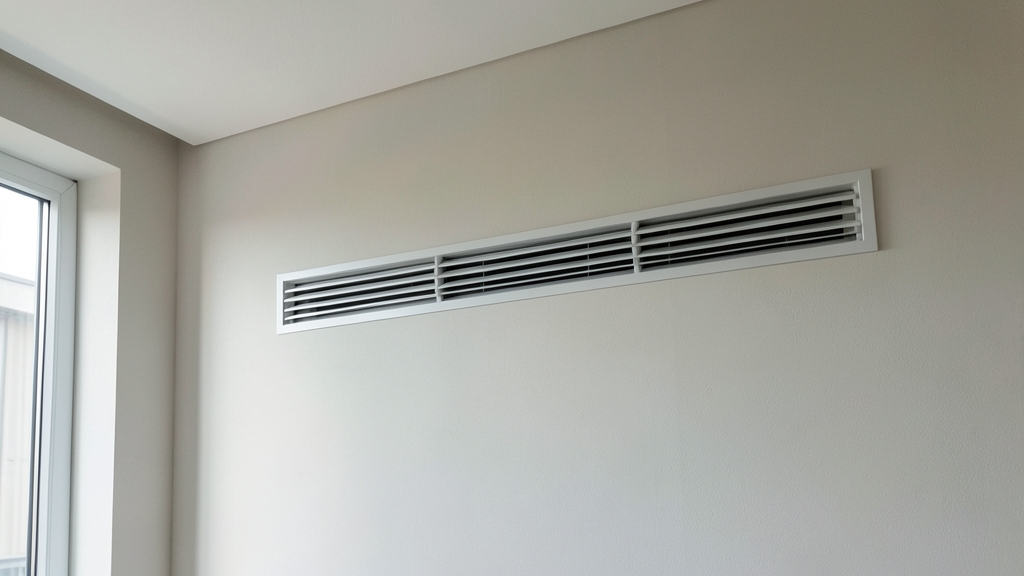
Bathroom and kitchen exhaust fans should vent outside, not into attics. In attics, ridge vents and soffit vents create passive airflow that reduces condensation.
For crawl spaces, we often install vapor barriers and, in severe cases, active ventilation systems. These are game-changers in areas like Cinnaminson and Moorestown, where groundwater is a persistent issue.
| Area | Best Ventilation Method | When to Upgrade |
|---|---|---|
| Attic | Ridge + soffit vents | If you see condensation on rafters or insulation |
| Bathroom | Exhaust fan (110 CFM min) | If mirrors fog for >10 minutes after showers |
| Crawl Space | Vapor barrier + dehumidifier | If musty odors or efflorescence are present |
| Basement | Foundation vents + dehumidifier | If humidity reads >60% consistently |
Basement and Crawl Space Specifics
Maple Shade’s clay-heavy soil retains water, which can seep through foundation cracks. French drains and sump pumps are critical for homes with chronic basement dampness.
In crawl spaces, ensure the ground is covered with a 6-mil polyethylene vapor barrier. Overlap seams by 12 inches and tape them to prevent moisture from wicking up into joists.
Seal all vents in summer if your crawl space has a vapor barrier. This prevents humid outdoor air from condensing on cooler surfaces.
Attic Mold: A Silent Threat in Older Homes
Poor attic insulation and ventilation lead to ice dams in winter and condensation in summer. Both create the damp environments mold loves.
In Maple Shade, we frequently find attic mold in homes with recessed lighting or improperly installed bathroom fans. These fixtures can vent warm, moist air directly into the attic.
When to Call in the Pros for Mold Remediation
If you detect mold covering more than 10 square feet, or if it’s in your HVAC system, professional remediation is essential. DIY cleanups often miss hidden spores in ductwork or behind walls.
Our team uses HEPA vacuums, air scrubbers, and antimicrobial treatments to ensure spores don’t return. We also address the root cause—whether it’s a leak, poor ventilation, or high humidity.
Signs You Need Professional Mold Remediation
- Mold returns after cleaning
- Visible growth in HVAC ducts or vents
- Water damage from a recent flood or leak
- Health symptoms (e.g., allergies, respiratory issues) worsen indoors
Long-Term Prevention: Maintenance That Pays Off
Schedule annual inspections of your roof, gutters, and downspouts. Clogged gutters are a top cause of water intrusion in Maple Shade homes, especially during summer storms.
Replace HVAC filters every 1-3 months and consider a whole-house dehumidifier if your home struggles with humidity. These steps are especially critical in areas like Mount Laurel and Cherry Hill, where older housing stock is common.
How to Inspect Your Home for Mold Risks
A thorough walkthrough can reveal hidden moisture problems before they turn into full-blown mold infestations.
- 1Check for Water Stains
Examine ceilings, walls, and around windows for discoloration. Pay special attention to corners and baseboards, where leaks often travel.
- 2Test Humidity Levels
Use a hygrometer to measure humidity in basements, crawl spaces, and attics. Readings above 60% require action.
- 3Inspect Ventilation Systems
Ensure bathroom and kitchen fans vent outside. In attics, verify that soffit and ridge vents are unobstructed by insulation or debris.
- 4Look for Condensation
Check pipes, ductwork, and windows for beads of water. Condensation on cold surfaces is a sign of high humidity.
- 5Examine Exterior Drainage
Walk around your home’s perimeter. Gutters should direct water at least 5 feet away from the foundation. Downspouts dumping near the base can cause basement seepage.
Frequently Asked Questions
How often should I run a dehumidifier in my Maple Shade basement?
Run it continuously during humid months, emptying the tank or draining it automatically. Aim to keep humidity below 50%—higher levels encourage mold growth on organic materials like wood and drywall.
Can mold in my attic affect my indoor air quality?
Absolutely. Mold spores from attics can travel through your home via HVAC systems or gaps in insulation. If you notice musty smells on upper floors, an attic inspection is overdue.
What’s the difference between mold testing and mold inspection?
A mold inspection visually assesses for growth and moisture sources, while mold testing (air or surface samples) identifies spore types and concentrations. We often recommend testing when occupants experience health symptoms or after water damage.
Are there areas in Maple Shade more prone to mold issues?
Homes near the Rancocas Creek or in low-lying areas like parts of Cinnaminson are more susceptible to flooding and high groundwater. Older homes in historic districts also tend to have poorer ventilation and insulation.
How do I prevent mold after water damage?
Act fast: dry the area within 24-48 hours using fans, dehumidifiers, or professional water damage restoration. Remove wet carpets, insulation, or drywall if they can’t be thoroughly dried. Request a quote for remediation if the damage is extensive.
Is bleach effective for cleaning mold?
Bleach kills surface mold but doesn’t penetrate porous materials like drywall or wood, where roots can regrow. For small, non-porous surfaces, a 1:10 bleach-water solution works, but larger or porous infestations require professional remediation.