Why Mildew Spreads Faster Than Mold in Maple Shade’s Humid Climate
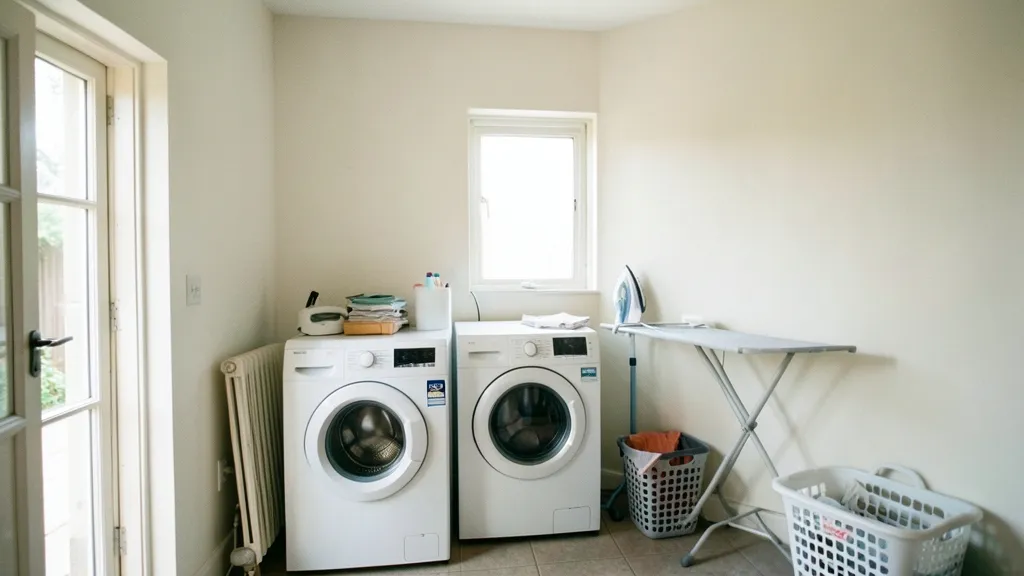
Maple Shade’s warm, humid summers create the perfect storm for mildew and mold growth. While both are fungi, mildew spreads surface-level in days, while mold penetrates deep into materials over weeks. Understanding the difference is key to effective remediation and prevention.
Mildew vs. Mold: Key Biological Differences
Mildew is a surface-level fungus, typically white or gray, that thrives on organic materials like paper, wood, or fabric. It grows in flat, powdery patches and spreads quickly in high humidity.
Mold, however, is more invasive. It appears as black, green, or brown spots, penetrates porous surfaces like drywall or insulation, and can cause structural damage if left unchecked.
Both release spores, but mold spores are more resilient and can remain dormant for years until moisture reactivates them.
| Feature | Mildew | Mold |
|---|---|---|
| Growth Pattern | Surface-level, powdery | Penetrates deep into materials |
| Color | White, gray, or yellow | Black, green, brown, or multicolored |
| Spread Speed | Days to weeks | Weeks to months |
| Health Impact | Mild allergies, respiratory irritation | Severe allergies, respiratory issues, toxic (in some species) |
| Common Locations | Bathrooms, kitchens, basements | Walls, attics, crawl spaces, HVAC systems |
| Removal Difficulty | Easier with cleaning agents | Often requires professional remediation |
Why Maple Shade’s Climate Accelerates Mildew Growth
Our region’s high humidity—especially in summer—creates an ideal environment for mildew. Relative humidity above 60% sustains spore activity, and Maple Shade’s frequent rain and poor ventilation in older homes exacerbate the issue.
Basements and crawl spaces in neighborhoods like Cinnaminson or Moorestown are particularly vulnerable due to groundwater seepage and limited airflow. Even modern homes in Cherry Hill or Mount Laurel aren’t immune if moisture isn’t controlled.
Use a hygrometer to track indoor humidity. Keep levels below 50% to inhibit mildew and mold growth. Dehumidifiers are essential in basements and crawl spaces.
How Mildew and Mold Spread in Local Homes
Spores enter homes through open windows, HVAC systems, or on clothing and pets. Once inside, they settle on damp surfaces—common in Maple Shade’s older homes with leaky pipes or poor drainage.
Mildew spreads rapidly across surfaces like shower grout or window sills, while mold colonizes hidden areas: behind drywall, under flooring, or in attic insulation. Water damage from storms or plumbing leaks accelerates both.
Poorly ventilated attics or crawl spaces trap moisture, creating a breeding ground. Without intervention, mold can compromise structural integrity, while mildew causes cosmetic and odor issues.
Signs You’re Dealing with Mildew (Not Just Dirt)
Mildew often appears as a white or grayish powdery substance on surfaces like bathroom tile, window frames, or fabric. It has a musty odor but lacks the deep, earthy smell of mold.
Unlike dirt, mildew doesn’t wipe away easily and returns quickly if moisture persists. It’s commonly found on organic materials like cardboard, paper, or wood in damp areas of the home.
If you notice discoloration or a lingering musty scent in your basement or laundry room, it’s likely mildew. Act fast—it can transition to mold if left untreated.
Is It Mildew? Check for These Signs
- Powdery or fluffy white/gray patches on surfaces
- Musty odor that lingers after cleaning
- Reappears quickly in damp areas (e.g., bathrooms, basements)
- Grows on organic materials like paper, wood, or fabric
- Spreads in flat, surface-level patterns
When to Call a Professional for Mold Remediation
Surface mildew can often be tackled with DIY cleaning, but mold—especially in hidden or large areas—requires professional intervention. If you see black, green, or fuzzy growth, or if mold covers more than 10 square feet, call our team.
Mold in HVAC systems, attics, or crawl spaces can spread spores throughout your home. In Maple Shade, older homes with poor ventilation or past water damage are high-risk candidates for professional remediation.
We use HEPA vacuums, antimicrobial treatments, and containment barriers to safely remove mold and prevent recurrence. Air quality testing can confirm spore levels post-remediation.
Mold behind walls or under flooring can cause serious health issues and structural damage. If you smell a musty odor but can’t see the source, assume mold is present and seek a professional inspection.
Preventing Mildew and Mold in Maple Shade Homes
Controlling moisture is the first line of defense. Fix leaks promptly, use exhaust fans in bathrooms and kitchens, and ensure proper grading around your home’s foundation to divert water away.
Dehumidifiers are critical in basements and crawl spaces, especially during our humid summers. Aim for 30-50% relative humidity indoors.
Regular inspections of attics, basements, and HVAC systems can catch early signs of mold or mildew. Replace water-damaged materials immediately and consider moisture-resistant products like paperless drywall in high-risk areas.
DIY Mildew Removal vs. Professional Mold Remediation
For small mildew patches, a solution of bleach and water (1:10 ratio) or a commercial fungicide can be effective. Scrub the area, dry thoroughly, and monitor for recurrence. Always wear gloves and a mask for protection.
Mold remediation, however, is not a DIY job. Disturbing mold colonies can release spores into the air, worsening the problem. Professionals use containment, negative air pressure, and specialized equipment to safely remove mold.
In Maple Shade, where older homes and humid conditions are common, professional remediation ensures thorough removal and prevents future outbreaks. We also address the root cause—moisture—to keep your home safe long-term.
How to Remove Surface Mildew Safely
Follow these steps to tackle small mildew patches before they spread.
- 1Ventilate the Area
Open windows and use fans to ensure proper airflow. This helps dry the area and reduces spore inhalation risk.
- 2Protect Yourself
Wear gloves, a mask (N95 or better), and eye protection. Mildew spores can irritate lungs and skin.
- 3Apply Cleaning Solution
Use a bleach-water mix (1:10) or commercial mildew cleaner. Spray the solution on the affected area and let it sit for 10-15 minutes.
- 4Scrub and Dry
Scrub the area with a stiff brush, then wipe dry with a clean cloth. Use a dehumidifier or fan to speed up drying.
- 5Monitor and Prevent Recurrence
Check the area daily for signs of return. Address moisture issues—like leaks or condensation—to prevent regrowth.
Frequently Asked Questions
Can mildew turn into mold in Maple Shade’s climate?
Yes. If left untreated, mildew can evolve into mold, especially in persistently damp conditions. Mold thrives in the same environments but is more destructive and harder to remove. Address mildew early to prevent this transition.
How do I know if my home’s musty smell is mold or mildew?
Mildew has a lighter, mustier odor, while mold smells earthy and damp. If the smell is strong and lingers, or if you can’t locate the source, it’s likely mold. A professional inspection with air quality testing can confirm.
Are there areas in Maple Shade more prone to mold and mildew?
Older neighborhoods with historic homes, like parts of Moorestown or Cinnaminson, often have poor ventilation and past water damage, making them high-risk. Basements, crawl spaces, and attics in any local home are vulnerable without proper moisture control.
Is bleach enough to kill mold?
Bleach can kill surface mold on non-porous materials like tile but doesn’t penetrate porous surfaces like drywall or wood. For mold in these materials, professional remediation with antimicrobial treatments is necessary to ensure complete removal.
How often should I check for mold and mildew in my home?
Inspect high-risk areas (bathrooms, basements, attics, crawl spaces) every 3-6 months. After heavy rain or flooding, check immediately. If you’ve had past issues, consider scheduling professional air quality testing annually.
Does homeowners insurance cover mold remediation in New Jersey?
Coverage varies by policy. Most standard policies exclude mold unless it’s a direct result of a covered peril, like a burst pipe. Review your policy and document water damage promptly. For clarity, request a quote from a local remediation expert.